Scroll, stream, search, shop: why Google’s 4 S behaviors are the new path to purchase
June 17, 2025Deliver product content that matches consumer behavior at every step using a PIM solution designed for omnichannel performance and speed.
Skip to:
- What are the stream scroll search shop behaviors?
- Why stream, scroll, search, shop matters for your product content strategy
- Stream: how streaming behavior impacts the stream scroll search shop journey
- Scroll: understanding scroll behavior in stream scroll search shop patterns
- Search: the critical search phase of stream scroll search shop
- Shop: converting intent in the stream scroll search shop cycle
- Optimizing content for stream scroll search shop behaviors
- Mastering stream scroll search shop: next steps for brands
- FAQ
Stream scroll search shop represents Google’s framework for understanding modern consumer behavior in the digital age, and delivering an exceptional customer experience. These four interconnected behaviors—stream, scroll, search, and shop—describe how today’s consumers discover, evaluate, and purchase products across multiple touchpoints and channels.
Understanding stream scroll search shop behaviors is essential for brands competing in ecommerce, and how you manage your digital shelf strategy specifically. The model replaces linear purchase funnels with a more realistic view of how consumers actually interact with product content. Rather than following predictable paths, consumers engage in these activities simultaneously and repeatedly throughout their journey.
This guide explores each component of the framework and reveals how brands can optimize product content for these interconnected behaviors.
What are the stream scroll search shop behaviors?
The stream scroll search shop framework identifies four distinct yet overlapping consumer behaviors that define modern product discovery and purchasing. Google’s research behavior patterns reveals how consumers move fluidly between these activities rather than following linear paths.
Breaking down stream scroll search shop:
- Stream: Streaming represents passive product discovery through video content, social media, and digital advertising. Consumers encounter products while streaming entertainment or information content.
- Scroll: The scroll component describes browsing behavior where consumers discover products serendipitously while scrolling through feeds, categories, or recommendations.
- Search: Searching represents active product research where consumers deliberately seek information to evaluate options and make comparisons.
- Shop: The shop phase encompasses the final purchase activities including checkout, though consumers may cycle back through stream, scroll, or search behaviors even at this stage.
Why stream, scroll, search, shop matters for your product content strategy
Understanding stream scroll search shop as interconnected behaviors rather than sequential steps helps brands create a cohesive product content strategy that support consumers wherever they are in their journey.
The marketing funnel of today has shifted from more traditional models like ‘AIDA’ model of Awareness, Interest, Decision, Action to one which doesn’t follow such a ‘straight line’.
Nowadays, buyers don’t follow a linear path when they’re looking to make a purchase — they stream, scroll, search, and shop. Industry giants like Google have already identified a buyer behavior pattern that they call the ‘4S behaviors’. It serves as a clear reflection of how product discovery and decision-making are happening in online e-commerce today.
For brands, it marks a change in how product marketing should be approached. It’s no longer enough to be ‘findable’ at the point of purchase; through their product content, brands need to be continuously present, consistent, and compelling across every relevant digital touchpoint.
This means that your product information needs to be not only accurate, but also quickly adaptable, enriched, and ready to meet the consumer — wherever they are.
In this article, we’ll look at the ‘4S behaviors’ driving product content strategy today (Streaming, Scrolling, Searching, Shopping), and how a Product Information Management (PIM) platform like Inriver PIM can help your brands deliver what they need to for each of these stages.
Stream: how streaming behavior impacts the stream scroll search shop journey
Consumers have probably encountered your product on a screen long before they even begin to think about actually buying it. It could be that they’ve glanced at it on a website, or seen a customer review video on YouTube, a TikTok ‘unboxing’ clip, or a digital display ad — but what it means is that ‘streaming’ has become a key entry point in the buying journey.
In the stream scroll search shop framework, streaming serves as the awareness and inspiration phase. The stream component requires brands to prioritize emotional storytelling and visual content that captures attention during passive consumption moments. Optimizing for the stream stage means ensuring product content is video-ready and socially shareable, improving the overall product experience.
The challenge is that, in these early moments, the product and/or brand ‘story’ matters more than the physical features of the product itself. Consumers are looking for emotional connection, social endorsement, and inspiration, so to stand a chance of resonating with them, brands need to push rich product content that is media-ready and leans into the storytelling element.
How the right PIM platform can support the streaming stage in the customer journey
Using a modern PIM platform allows you to centralize and organize your product data alongside all of your rich media assets, including videos, lifestyle imagery, and interactive content. This makes it far easier for brands to store, manage, update, and distribute exactly the kind of visual content that helps to drive product discovery online.
Housing everything in one place also means that your brand’s product story remains consistent across multiple online channels, so that both the brand narrative and the quality of customer experience is well-protected.
Scroll: understanding scroll behavior in stream scroll search shop patterns
The influence that ‘scrolling’ has on buyers shouldn’t be underestimated. Despite it being an automatic online behavior for browsing consumers, it can aid product discoverability simply by revealing not what someone was looking for, but what happens to be there, waiting for them.
Scroll behavior represents a critical touchpoint in the stream scroll search shop journey. Within patterns, scrolling creates micro-moments where product content must instantly capture attention. The scroll phase demands visually compelling content that stops the scroll and sparks interest. Brands succeeding in the scroll stage optimize imagery, headlines, and quick-read descriptions.
Although these moments last for mere seconds, these interactions can spark real buying intent if the potential buyer has found your brand’s content engaging and relevant to them. You can better understand how your buyers’ scroll behaviours evolve, and the impact it has on your ecommerce performance, with digital shelf analytics.
Equally, if your product content doesn’t catch someone’s attention in those first few seconds, the scrolling continues.
It means that your product data needs to be curated for context, optimized for omnichannel, visually inspirational, and descriptive enough to make a consumer feel well-informed.
How the right PIM platform can support the scrolling stage in the customer journey
The right PIM platform grants your teams the best chance to capture consumers’ attention; by helping them to create dynamic product bundles and curated collections for different sales channels — while also ensuring that brand consistency remains intact, wherever your products appear online.
PIM software like Inriver PIM enables content adjustments to be made quickly and easily in-platform, so that brands can keep up with trend-driven campaigns and themed, more seasonal periods while saving significant time and manual effort — and all without the need for IT support.
Search: the critical search phase of stream scroll search shop
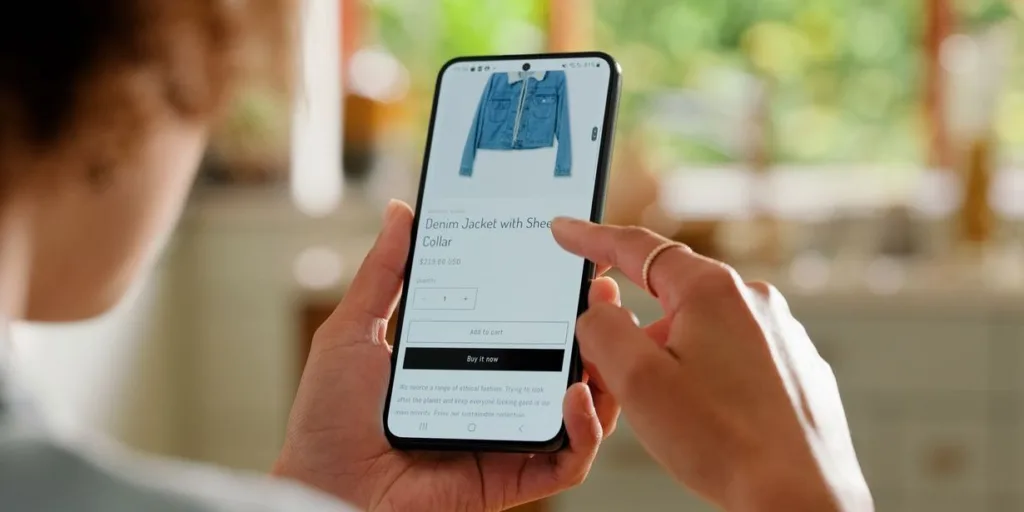
Consumers use search engines, marketplaces, and other retail sites to research, explore, validate, and compare products they’re interested in buying. Since 2020, Google has called this “the messy middle” of the customer journey, where decisions are made through a dynamic loop of both exploration and evaluation.
The search stage represents where consideration intensifies. During the search phase, consumers actively compare options and validate choices. Success in the search component requires comprehensive, accurate product information that builds trust. Brands optimizing for the search stage focus on SEO, detailed specifications, and comparative content. Effective product optimization across your digital shelf is critical to maximising visibility, and influencing your buyers’ decisions at this stage. You will need a robust and reliable product content syndication workflow to deliver a consistent experience across your digital shelf at scale.
For brands to stand out, they’ll need to deliver the most clear, trustworthy, relevant content to the consumer — especially when their competitors are likely to appear on the same search results.
How the right PIM platform can support the Searching stage in the customer journey
This is where having a centralized, dynamic source of product information suddenly becomes a strategic advantage for your business.
A modern PIM solution like Inriver strengthens your brand’s search presence by providing a ‘single source of truth’ for all of your SEO-optimized product data. This helps to keep your product information consistent and compelling across every digital shelf; helping guide shoppers towards the ‘Shop’ stage.
Shop: converting intent in the stream scroll search shop cycle
A customer may have reached the checkout point, but the journey isn’t over yet — there are still several obstacles to overcome, like bracketing and cart abandonment. These behaviors signal that your shopper still has some questions about your product/s.
Shop represents the conversion stage in the stream scroll search shop model, though not necessarily the end. The shop phase includes checkout but also post-purchase behaviors. Understanding the shop component means recognizing that consumers may cycle back to stream, scroll, or search even during purchase. Optimizing for the shop stage involves clear product information, transparent policies, and confidence-building content.
The good news is that scenarios like cart abandonment can often be prevented when your brand provides customers with the assurances they need through your product content. Adding enriched content, enhancing product descriptions, and displaying your returns policy clearly are all ways to do this.
How the right PIM platform can support the Shopping stage in the customer journey
A powerful PIM system like Inriver can help brands build customer confidence and drive high-conversion shopping experiences through its ability to ensure complete, accurate product data exists across every digital sales channel. And, by empowering a brand’s merchandising, marketing, and e-commerce teams to provide the right product information, at the right time, and in the right place, the risk of customer returns is reduced.
Brands can also use performance data from within the PIM platform to see which content and assets are working the hardest for them, allowing more informed content decisions to be made by their teams.
Optimizing content for stream scroll search shop behaviors
Successfully implementing stream scroll search shop strategies requires understanding how to optimize product content for each behavior while maintaining consistency across the entire stream scroll search shop journey.
Stream scroll search shop content strategy essentials:
- For stream behaviors: Create video-first content that tells compelling product stories. The stream phase rewards emotional connection and visual storytelling over feature lists.
- For scroll behaviors: Design thumb-stopping visuals and concise messaging. The scroll stage demands instant impact through imagery and headlines that interrupt browsing.
- For search behaviors: Provide comprehensive, SEO-optimized product information. The search component requires detailed specifications, comparisons, and trust signals.
- For shop behaviors: Ensure complete accuracy and transparency. The shop phase depends on clear pricing, availability, shipping information, and return policies.
- Measuring performance: Track engagement metrics for each behavior to understand where your content performs best and where optimization opportunities exist. Monitor how consumers move through behavior patterns to identify friction points.
- PIM’s role in success: Product Information Management systems support all behaviors by centralizing content, enabling rapid updates, and ensuring consistency. A robust PIM solution helps brands deliver the right content for each stage without creating data silos.
Mastering stream scroll search shop: next steps for brands
The new consumer journey is fast, fragmented, and fueled by product content. Whether they’re ‘streaming’, ‘scrolling’, ‘searching’, or ‘shopping’, it’s the quality of your product information that’s going to dictate whether consumers notice, consider, and choose your products.
In order to stay competitive, brands need to be agile enough to update, refine, and republish content when it’s needed, consistent in how they deliver that content to omnichannel — and all while managing thousands of SKUs, campaigns, and product collections in the background.
Inriver PIM is already trusted by 1,600+ global brands — turning their backend data into a revenue-driving force, and delivering what’s needed to satisfy the 4S behaviors found in today’s discerning consumer.
See the Inriver PIM in action
Inriver offers the most comprehensive PIM solution on the market, built for speed, scale, and complexity. Let an Inriver expert explain how the Inriver PIM can turn your product data flows into a sustainable revenue stream.
- Get a personalized, guided demo of the Inriver platform
- Have all your PIM questions answered
- Free consultation, zero commitment
Thanks for reaching out!
We’ll be in touch soon.
Please try again in a moment.